
01 - - - Standard Grades
Standard Ferrous Grades
Our core production revolves around the two pillars of industrial iron, handled with a strict focus on internal soundness and grain structure.
Standard Ferrous Grades
Gray Cast Iron
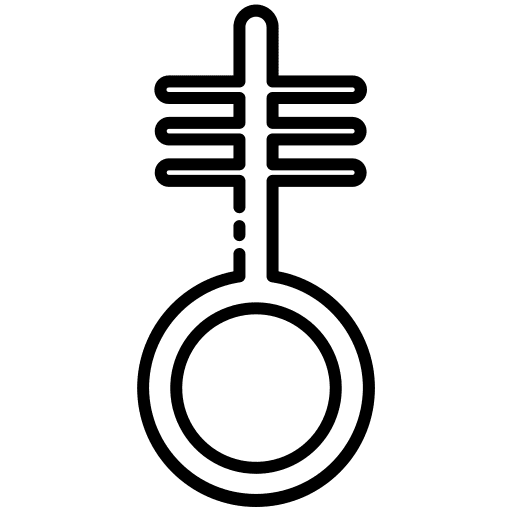
Recognized for its superior vibration damping and thermal conductivity. We produce high-stability components where dimensional integrity over time is critical.
Machine Beds
Saddles
Cylinders
Housings
Ductile / SG Iron
Ductile (SG) Iron
For applications requiring the strength of steel with the castability of iron. Our SG iron provides the toughness and fatigue resistance needed for demanding drivetrain components.
Crankshafts
Crankcases
Pump Bodies
02 - - - - Specialized Alloys
Specialized & High-Performance Alloys
For environments where standard iron falls short, we provide alloyed compositions engineered for extreme service conditions.
03 - - - - Scale & Scope
Scale and Scope of Production
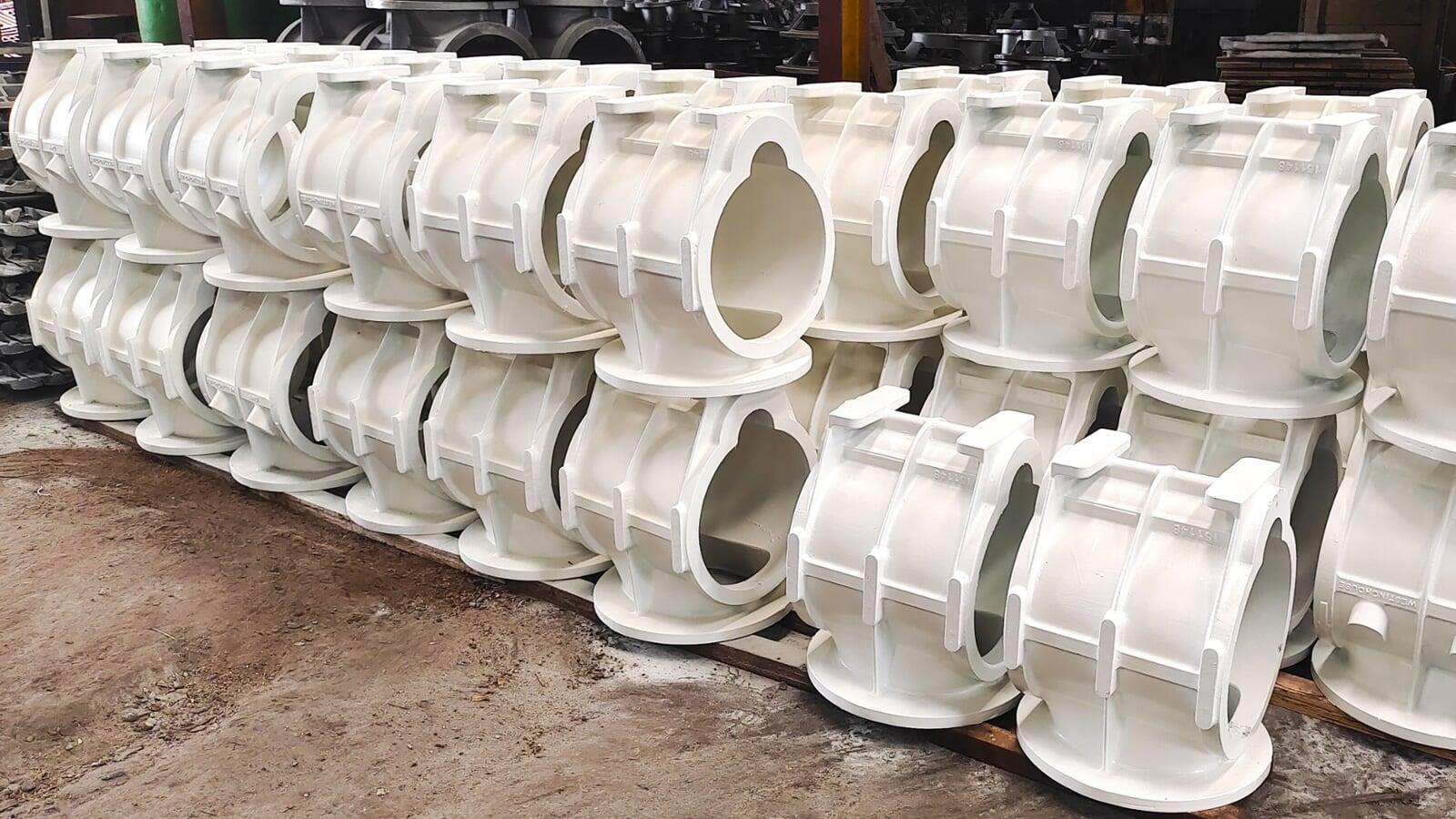
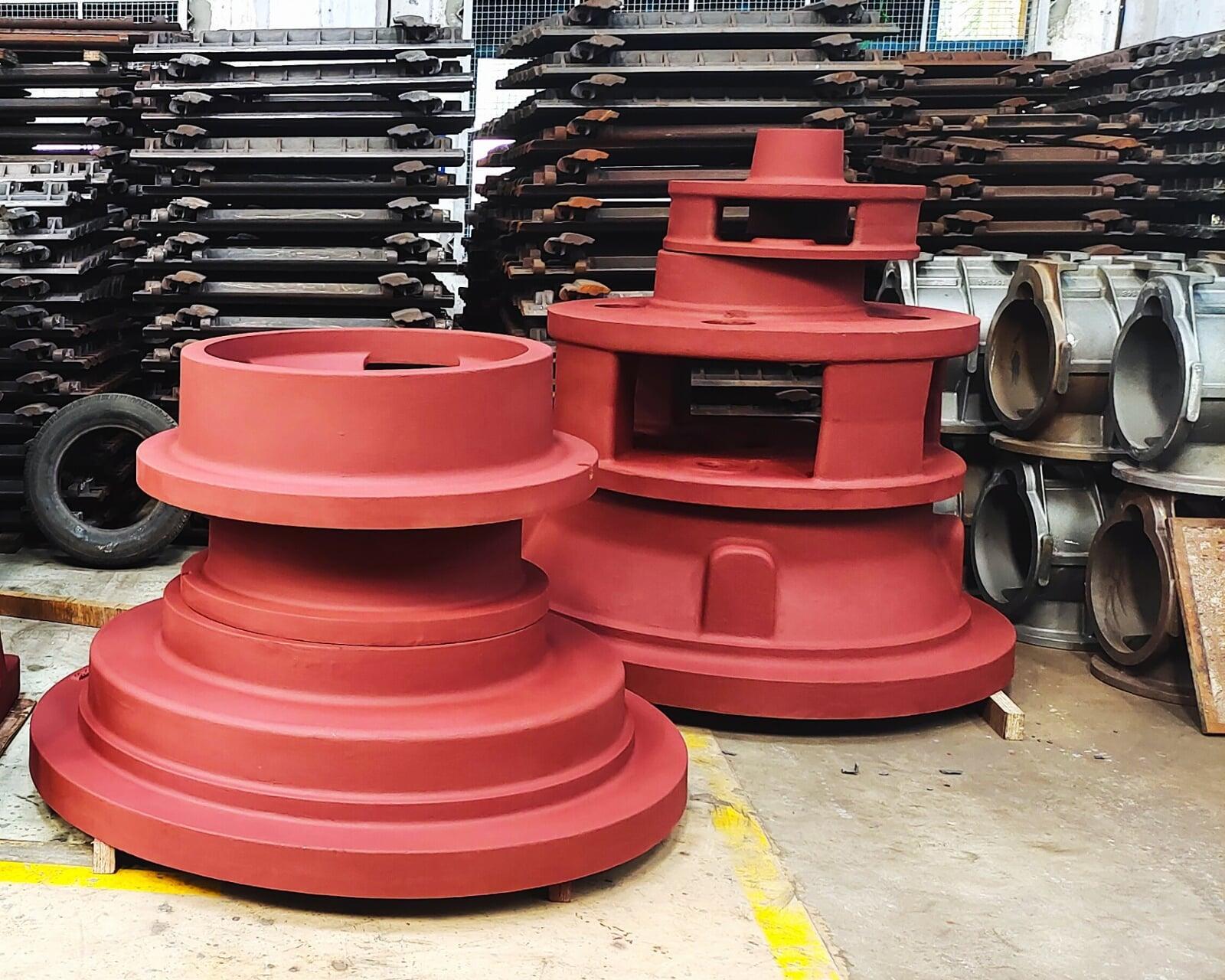
Our facility is structured to handle a broad spectrum of requirements, from intricate precision parts to massive industrial foundations.

1 kg – 5 T
Weight Flexibility
Our production lines are optimized for a range of 1 kg to 5,000 kg (5 Tons) for a single piece.

Proto → Volume
Batch Versatility
We are equipped to handle both low-volume prototypes for R&D and sustained high-volume production runs for established industrial lines.

Ester-cured and Gas-cured
Mould Process
By utilizing both systems, we achieve clean internal cavities and complex shapes that reduce the need for excessive post-casting machining.
Induction Dual Track Furnace
Melt Continuity & Purity
Our power-sharing induction furnaces run simultaneous melts, ensuring tight metallurgical chemistry and an
uninterrupted flow of liquid metal for large single-pour castings.
04 - - - - Custom Metallurgy
Custom Metallurgical Compositions
We recognize that every project comes with its own set of challenges. Our lab works closely with your engineering team to develop application-specific alloys. If your project requires a unique balance of hardness, tensile strength, or thermal expansion, we have the analytical tools (Spectrometry and ATAS) to ensure the final pour matches your exact chemical requirement.
01
Requirement Briefing
Your engineering team shares the service conditions, loads, and environment the component must withstand.
02
Alloy Development
Our metallurgists design a composition balancing hardness, tensile strength, and thermal response for your exact use case.
03
Spectrometric Verification
Every pour is verified using spectrometry and ATAS to confirm chemical composition before the casting is released.
04
Production & Delivery
Approved composition moves to full production — prototype or volume — with documentation of every batch.